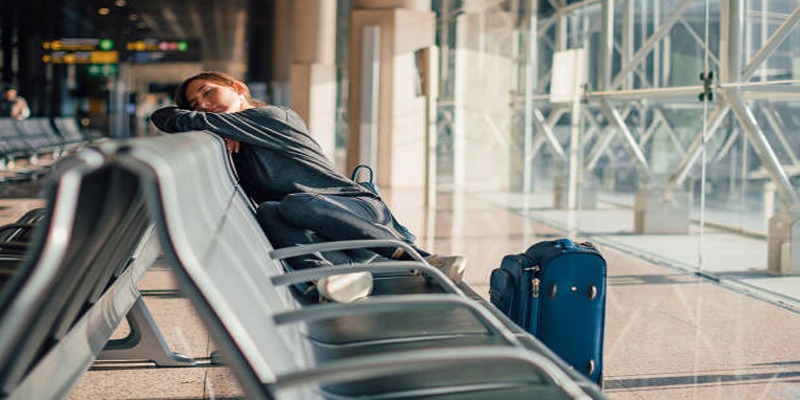
If you are adventurous enough to travel through time zones, sleep disruptions in jet lag can be tiring. This occurs when your biological rhythm is out of phase with the time you are in and you cannot sleep, wake up or enjoy a holiday. The good news is that there are some things you can do to try to enhance your circulation and feel more energized as you recover. When it comes down to either economics or leisure, any traveler has the desire to know how to deal with jet lag. In this guide, you will find a few suggestions to ensure you stay fresh and do not become weary from your traveling.
What is jet lag?
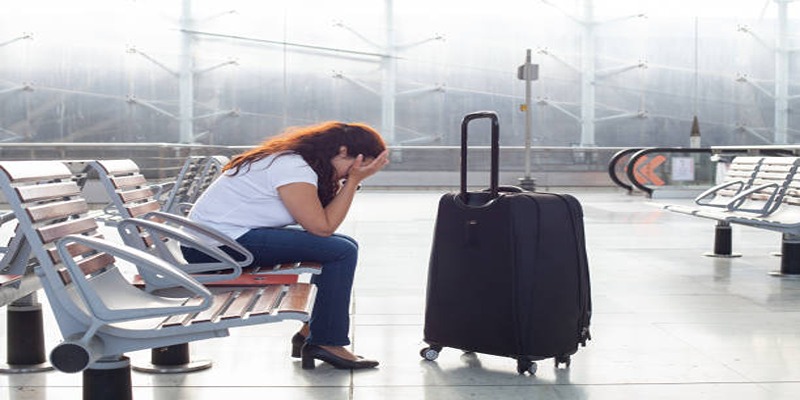
Jet lag is a temporary sleep disorder, also referred to as desynchronosis, which is caused by travel across a number of time zones. Circadian rhythm is the cycle in the human body that controls our sleeping and waking patterns through environmental factors such ac light and temperature. People take time to adapt to new time zones when they board a flight to a new locale of operation.
Symptoms of jet lag
The most common symptoms of jet lag include:
- Difficulty falling asleep at night or waking up in the morning
- Daytime fatigue and drowsiness
- Difficulty concentrating and making decisions
- Irritability and mood swings
- Digestive problems like constipation or diarrhea
These symptoms can vary in severity depending on how many time zones you cross, your age, health status, and individual factors. It's essential to listen to your body and take steps to minimize the impact of jet lag on your trip.
Causes of jet lag
Traveling across multiple time zones disrupts your internal clock because it conflicts with the natural light-dark cycles that regulate it. The farther you travel, the more significant the disruption, and the longer it takes for your body to adapt. Other factors that can contribute to jet lag include:
- Direction of travel: It's easier to adjust when flying eastwards than westwards.
- Age: Older adults may experience more prolonged jet lag and take longer to recover.
- Health conditions: Certain medical conditions like sleep disorders or depression can make jet lag symptoms worse.
Ways to prevent jet lag
While it's impossible to eliminate jet lag entirely, there are several ways you can minimize its effects and help your body adjust faster. Here are some tips:
Stay hydrated
Staying hydrated is key to easing jet lag. Drink plenty of water before, during, and after your flight, and steer clear of caffeine, as they can dehydrate you and disrupt your sleep. Proper hydration boosts energy levels and aids in a quicker recovery.
Get natural light exposure
One of the most effective ways to reset your internal clock is by exposing yourself to natural light in your new time zone. Sunlight plays a critical role in regulating your circadian rhythm. Spend time outdoors during the day, especially in the morning, to help your body adapt to the new schedule faster.
Limit naps
While napping can provide short-term relief, excessive daytime sleep can make it harder to adjust to your destination's time zone. If you need to nap, keep it short—20 to 30 minutes—and avoid napping late in the day, as it may interfere with nighttime sleep.
Stick to a routine
Once you arrive, try to establish a daily routine that aligns with your new time zone. Eat your meals, go to bed, and wake up at the appropriate local times. Following a regular schedule helps signal your body to adjust more quickly.
Use sleep aids if necessary

Melatonin supplements can be helpful when adjusting to a new time zone, as melatonin is a natural hormone that supports your sleep-wake cycle. Consult your doctor before using melatonin or other sleep aids to ensure they are safe and suitable for your needs.
Move your body
Light physical activity can help reduce fatigue and signal your body to adjust to the new time zone. Simple exercises like stretching, walking, or doing yoga can boost circulation and improve your overall well-being. If you're on a long flight, try to get up and stretch periodically to prevent stiffness and improve blood flow. Once you arrive at your destination, consider incorporating light exercise, such as a morning walk or an easy workout, into your day to help your body adapt faster.
Adjust your sleep environment
Create a sleep-friendly environment to help your body rest well in your new time zone. Ensure your sleeping area is quiet, dark, and cool. Use an eye mask or blackout curtains to block out light and consider using earplugs or white noise machines to minimize disruptions. Avoid using electronic devices like phones or tablets before bedtime, as the blue light can interfere with your melatonin production and make it harder to fall asleep.
Gradually shift your schedule before you travel
If possible, start adjusting your sleep and wake times a few days before your trip. Gradually moving your schedule closer to your destination's time zone can help minimize the shock to your internal clock. For example, if you're flying east, go to bed earlier each night, and if you're flying west, stay up a bit later. Shifting your habits before your flight can make it easier to transition once you reach your destination.
Conclusion
Traveling across time zones can disrupt your sleep patterns and leave you feeling jet-lagged. However, by implementing these strategies, you can minimize the effects of jet lag and adjust to the new time zone more smoothly. Remember to prioritize good sleep hygiene, stay well-hydrated, and make gradual adjustments to your sleep schedule. Creating a sleep-friendly environment and avoiding electronic devices before bedtime can also contribute to better sleep quality. By taking these steps, you can optimize your sleep and wakefulness, allowing you to make the most of your travel experience without being slowed down by jet lag.